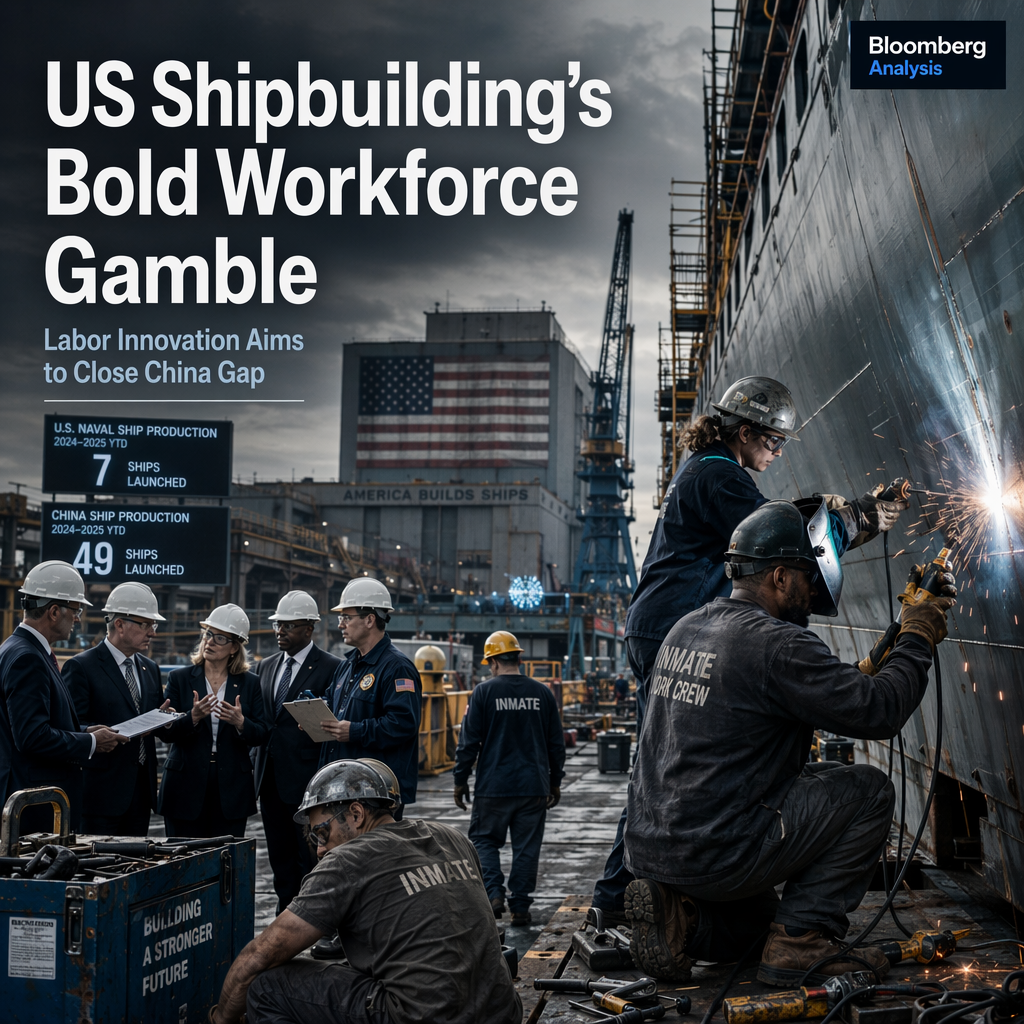
The US shipbuilding industry is facing a significant crisis, with Senator Tim Sheehy highlighting that China is currently building ships 230 times faster than the United States and completing repairs 90% faster [1]. This disparity underscores a long-term decline in American maritime industrial capabilities, attributed to decades of prioritizing short-term financial gains and repurposing shipyard spaces for other uses [1]. While rebuilding military branches like the Army may be achievable within a year or two, restoring the maritime industrial base is described as a much deeper and more complex challenge [1].
In response to these concerns, President Donald Trump signed the Executive Order Restoring America's Maritime Dominance in April 2025, marking a critical step toward revitalizing the sector [1]. The directive calls for bold and innovative solutions, including tapping into the labor pool of incarcerated individuals ready to reintegrate into society [1]. The proposal involves training inmates in specialized maritime trades such as welding, pipefitting, and fabricating, and deploying them strategically to shipyards [1].
A coordinated, multi-state effort could potentially yield 10,000 new skilled employees after initial training rounds, averaging 575 rigorously screened candidates per maritime state—a figure deemed manageable for state correctional agencies [1]. The article notes that similar workforce strategies are being considered in the United Kingdom, where prisoners may help build warships to address acute labor shortages and bolster national defense [1].
Security regulations, particularly the Transportation Worker Identification Credential (TWIC), are cited as potential obstacles for implementing this workforce solution, as access to secure shipyard areas is tightly controlled [1].
CONCLUSION
The US shipbuilding sector faces urgent challenges, with China outpacing American production and repairs by wide margins. Innovative workforce proposals, including training and deploying incarcerated individuals, are being considered to address labor shortages and restore maritime capabilities. The market impact is medium, as these developments signal both concern and potential for industry revitalization.