
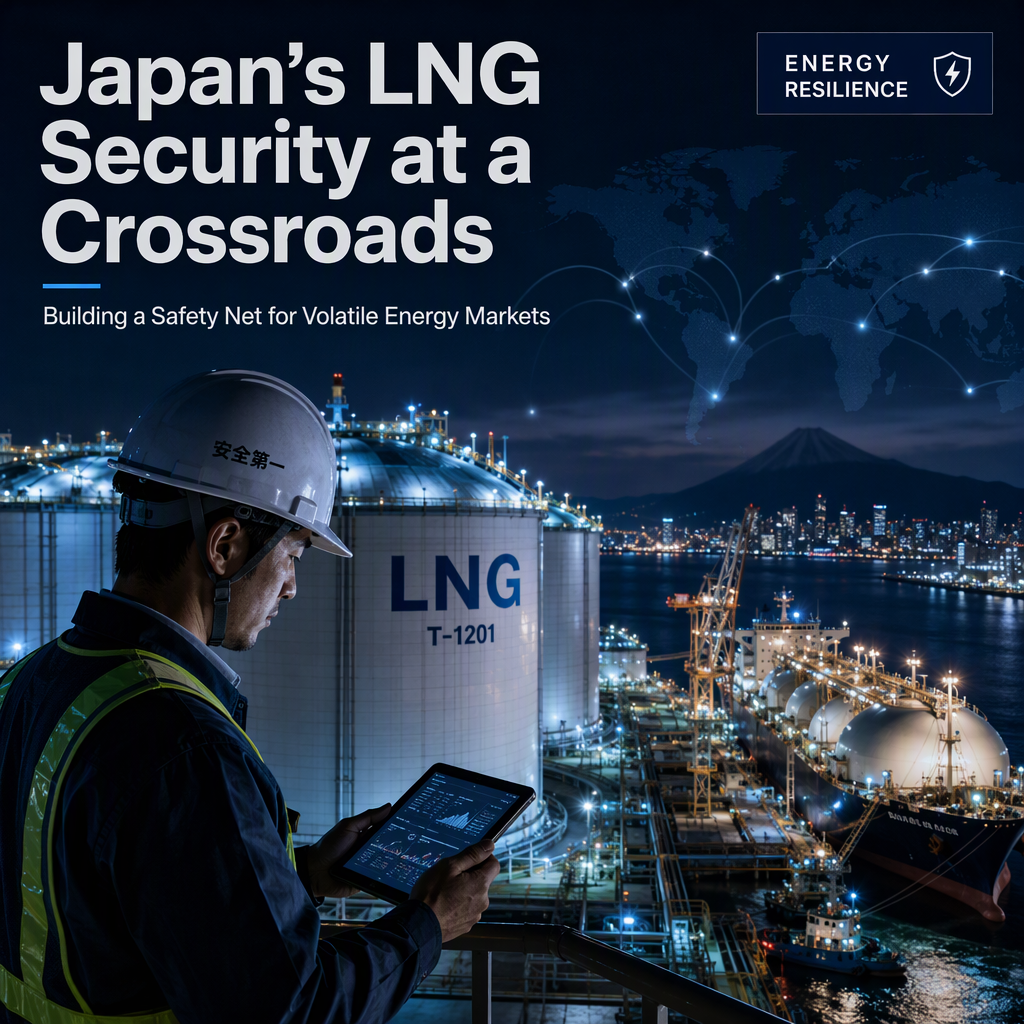
Japan, recognized as the world's largest importer of liquefied natural gas (LNG), is facing heightened risks in securing its energy supplies due to ongoing global market volatility and geopolitical tensions [1]. Recent disruptions and price spikes in the global energy markets have underscored the necessity for Japan to construct a robust LNG safety net [1]. Industry leaders, including JERA Chairman Yukio Kani and Petronas CEO Tengku Muhammad Taufik, have emphasized at a recent industry event in Bangkok the urgency for Japan to diversify its LNG suppliers and foster collaborative partnerships across the region [1].
Market analysis reveals that volatility in LNG prices has been driven by geopolitical disputes, supply bottlenecks, and surging demand, with the spot price for LNG in Asia reaching record highs during the past energy crisis [1]. Traders and analysts caution that similar market conditions could recur, particularly as global decarbonization efforts shift the energy mix and increase reliance on natural gas [1].
To mitigate these risks, Japan is advised to consider establishing strategic LNG reserves, similar to its oil stockpiles, and to maintain a flexible procurement strategy involving contracts from multiple regions and durations [1]. Long-term contracts are noted to offer more stable prices compared to spot deals, providing a protective buffer during periods of market volatility [1]. Industry executives stress that resilience in LNG supply chains depends not only on contracts but also on relationships and infrastructure, with Tengku Muhammad Taufik stating, "Japan must look beyond traditional sources and build a safety net that can withstand future shocks" [1].
Market observers recommend closely monitoring global LNG flows, developments in major exporting countries, and using financial instruments to hedge against price risks. The Asian LNG market is expected to remain dynamic, influenced by seasonal demand, geopolitical developments, and the introduction of new supply projects [1].
CONCLUSION
Japan's energy security faces significant challenges due to global LNG market volatility and geopolitical risks. Industry leaders and analysts advocate for diversification of suppliers, strategic reserves, and flexible procurement strategies to build resilience. Proactive measures are essential for Japan to safeguard against future supply shocks and price surges.