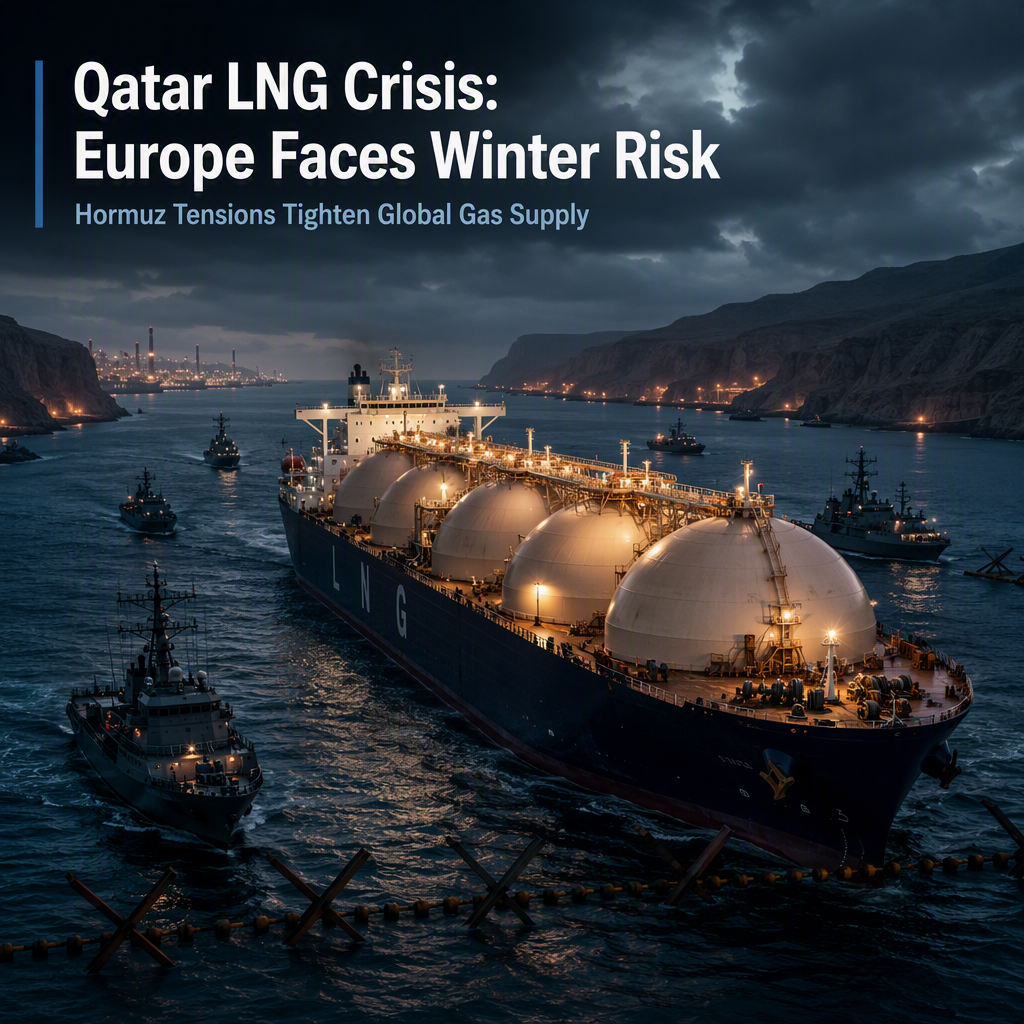
Geoff Yu at BNY reports that ongoing tensions in the Middle East and restricted traffic through the Strait of Hormuz are posing significant risks to global energy supply routes, particularly for natural gas and LNG markets [1]. Qatar has extended its force majeure on LNG exports to both European and Asian buyers due to the continued constraints at the Strait of Hormuz, effectively keeping a major portion of global gas supply offline [1]. This development is especially concerning for Europe, as it faces the prospect of a prolonged tightening in gas supply ahead of the winter season, with LNG prices already nearly double their pre-war levels [1].
The article notes that if the disruption persists, it would heighten competition between European and Asian buyers for alternative LNG cargoes, drive up import costs, and potentially reignite inflationary pressures through both energy and industrial channels [1]. Brent, WTI, and Dutch TTF prices are currently reflecting a fragile equilibrium in oil and gas markets, underscoring the precariousness of the situation [1].
Europe remains highly vulnerable to any failure to reopen the Strait of Hormuz and restore Qatari LNG flows, which could have significant implications for energy security and inflation [1]. Additionally, Iran has indicated that reopening the Strait of Hormuz could be part of a broader agreement if unspecified U.S. conditions are met, keeping the status of this critical shipping route central to any potential de-escalation in the region [1].
CONCLUSION
The extension of Qatar's LNG force majeure and ongoing Hormuz bottlenecks are creating significant risks for European energy supplies and inflation. Market participants remain focused on the resolution of these disruptions, as any failure to restore flows could intensify competition and drive up prices further.