
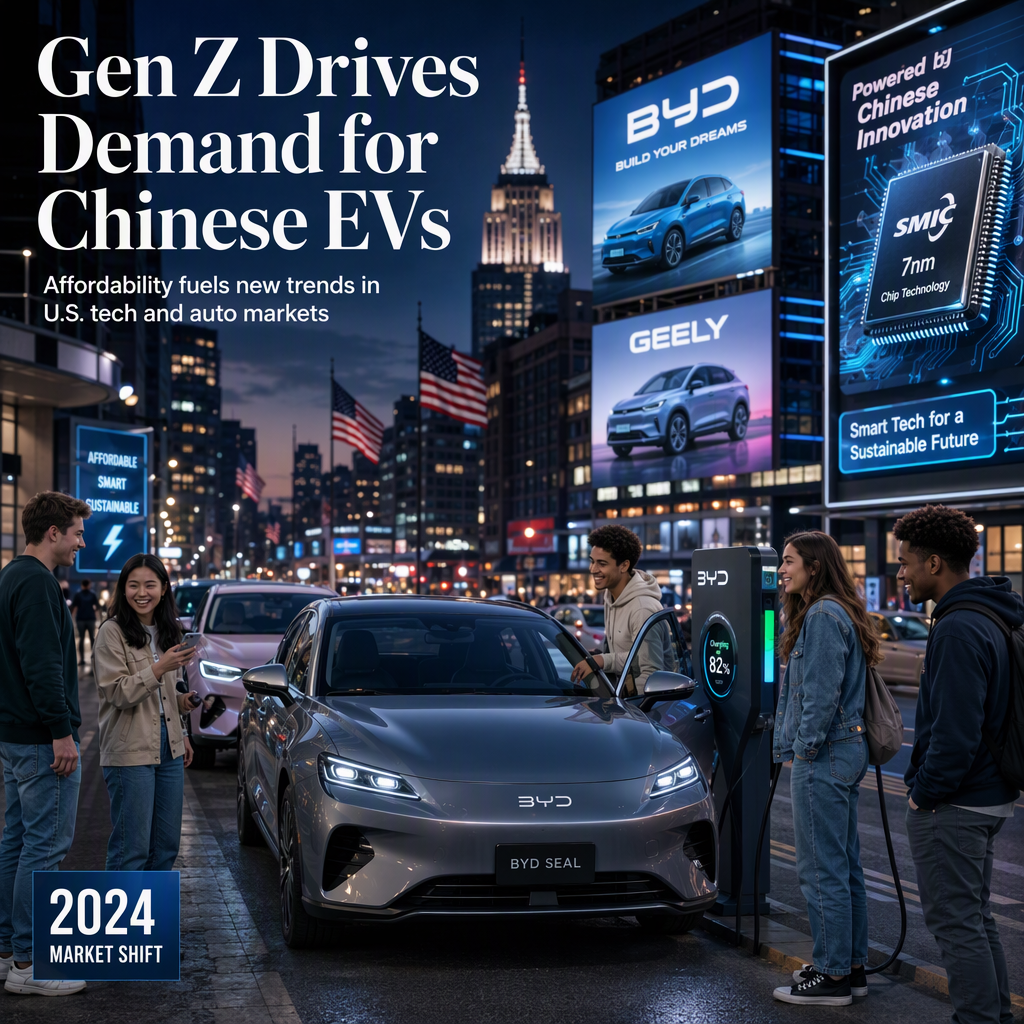
A survey released by Cox Automotive this year revealed that 69% of U.S. Gen Z drivers would consider purchasing vehicles from Chinese automakers such as BYD or Geely [1]. Gen Z, defined as individuals ranging from high school age to around 30, constitutes about one-fifth of American consumers and is expected to significantly influence consumption trends for the next decade [1]. The survey highlights that affordability is a primary factor driving Gen Z's openness to international brands, particularly Chinese electric vehicles (EVs), which have become increasingly competitive in price compared to American and European models [1].
As the U.S. approaches midterm elections, the attitudes of Gen Z consumers toward affordable Chinese imports may impact political stances on trade barriers. The emphasis on cost and value among younger voters could make restrictive measures against Chinese products politically sensitive [1]. Market dynamics are shifting, with global EV prices dropping below those of hybrids, a trend largely driven by the proliferation of low-cost Chinese cars [1].
The survey also indicates that Gen Z's economic pressures and pursuit of value are making them more receptive to Chinese technology products, including cars and semiconductors. This openness could influence not only consumer markets but also policymaker approaches to tariffs and trade restrictions, especially if younger voters advocate for access to affordable international options [1].
The rapid adoption of Chinese EVs and chips by Gen Z may have broader implications for the U.S. market, potentially affecting domestic carmakers and the technology supply chain. As global competition intensifies, affordability remains a central driver in shaping both consumption trends and political responses [1].
CONCLUSION
The survey underscores Gen Z's strong preference for affordable Chinese EVs and technology products, which could reshape U.S. consumer markets and influence political decisions on trade. As global competition increases and prices drop, domestic manufacturers and policymakers may need to adapt to these shifting preferences.