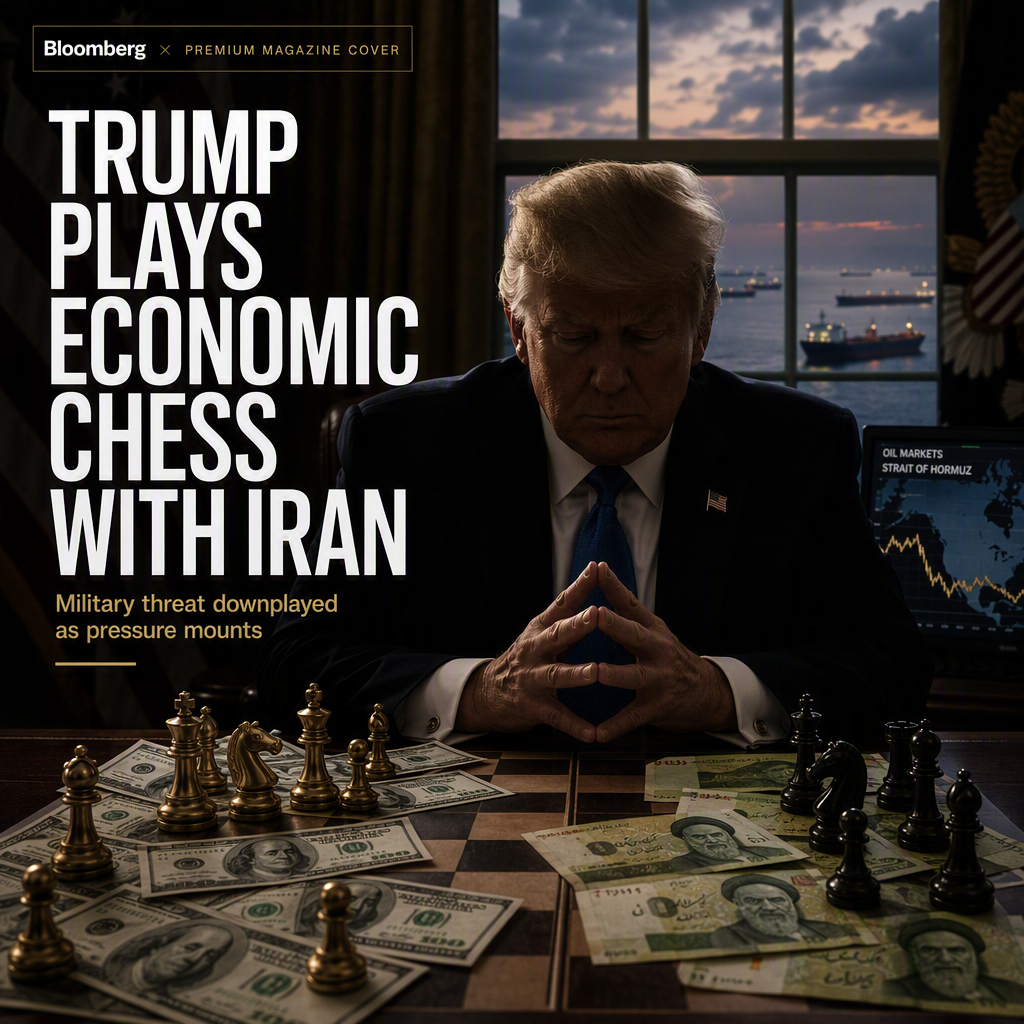
President Donald Trump has signaled a strategic shift in the ongoing conflict with Iran, moving away from military escalation and instead emphasizing the use of economic pressure to force concessions from Tehran [1]. In comments published by Axios, Trump stated, 'We are low-keying it,' and described the current approach as 'only semi-negotiating,' highlighting Iran's economic struggles, including 'huge inflation' and a lack of funds, as leverage points for the U.S. [1].
This change in strategy follows Trump's decision a week prior to call off what would have been the largest U.S. military attack since World War Two, citing the imminence of a deal to end the Iran war at that time [1]. However, the situation has since evolved, with Trump now indicating that the U.S. is in no rush to resolve the conflict and is prepared to 'wait out Tehran' through sustained economic measures [1].
Meanwhile, the Islamic Republic of Iran has responded by issuing a new list of demands that it insists Washington must meet before allowing ships to move freely through the Strait of Hormuz, a critical global shipping route [1]. The ongoing standoff has contributed to instability in the Middle East and has drawn domestic criticism in the U.S. due to the rising costs in American lives and consumer prices [1].
Trump expressed confidence in the outcome of the negotiations, likening the process to a chess game and stating, 'It will work out. It always works out' [1]. No specific details regarding market reactions or analyst opinions were provided in the article.
CONCLUSION
President Trump's pivot from military threats to economic pressure marks a significant development in the U.S.-Iran conflict. While the administration expresses confidence in this approach, the ongoing standoff continues to destabilize the region and impact domestic costs, with no immediate resolution in sight.