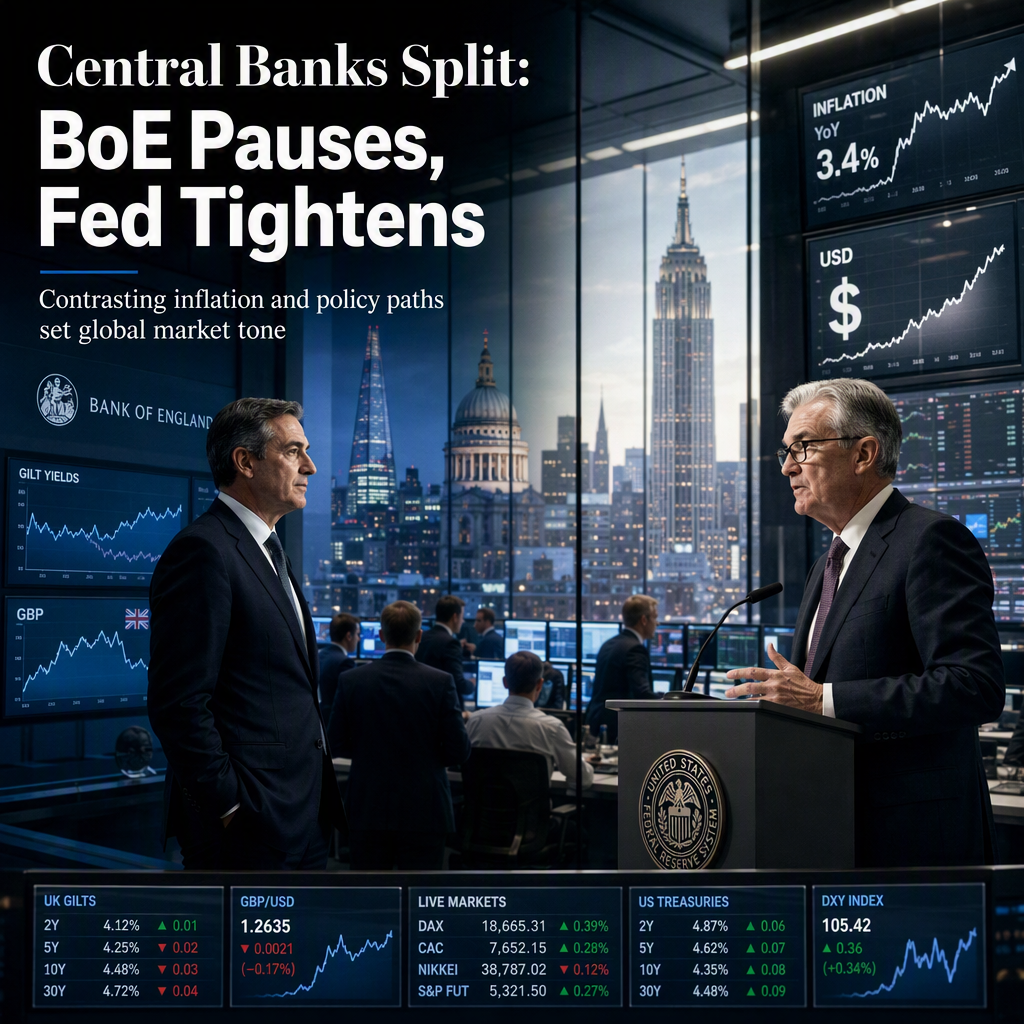
The Bank of England (BoE) is expected to maintain its policy rate at 3.75% for the sixth consecutive meeting, with a likely 6–3 vote, as easing UK wage growth and services inflation provide room for a pause in tightening. Megan Greene, Catherine L Mann, and Huw Pill are anticipated to support a 25bps hike, but the majority is expected to favor holding rates steady. Upcoming UK labor market data and August CPI are projected to reinforce this trend of moderation in inflation pressures. The BoE is also set to slow the pace of quantitative tightening, reducing its gilt holdings rundown from £70bn to £50bn over October 2026 to September 2027, with £30.5bn of maturities due in that period. Active gilt sales are expected to remain broadly unchanged at around £20bn. Despite this slower runoff, upward pressure on gilt yields from higher energy prices is unlikely to be offset. The swaps curve currently implies 125bps of BoE rate hikes in the next twelve months to 5.00%, which Brown Brothers Harriman views as excessive, leaving the British Pound exposed to a dovish repricing risk. The UK's negative output gap, a policy rate near the top end of the BoE’s neutral range, and prospects for tighter fiscal policy all argue for a less aggressive hiking cycle [1].
In contrast, the Federal Reserve's upcoming decision is highlighted as the main market event, with Deutsche Bank economists expecting a 25bp hike to a range of 3.75%-4.00%. Their forecast now includes 75bps of hikes over the next seven months, reflecting a more hawkish stance. Recent US inflation data, including a core CPI increase of 0.29% in August (up from 0.22% in July) and hawkish elements in the PPI report, support further tightening. Deutsche Bank estimates August core PCE rose by 0.27%, which they do not view as consistent with sufficient progress toward the Fed’s inflation target. US retail sales for August are expected to rebound by +0.9% month-on-month, following a -0.6% decline in July, with ex-auto sales forecast at +0.6% and retail control sales at +0.3%. Deutsche Bank argues that July’s weakness was likely a temporary pause in consumer spending rather than the start of a broader slowdown [2].
The divergence in central bank policy paths is evident: while the BoE is poised to hold rates and slow QT amid easing inflation, the Fed is supported by hawkish data and is expected to continue tightening. This contrast has significant implications for currency markets, particularly the British Pound, which faces vulnerability to a dovish repricing, and for US assets, which may see continued support from firmer policy expectations.
CONCLUSION
The BoE's expected rate hold and slower QT signal a dovish tilt, exposing the Pound to repricing risks, while the Fed's hawkish data and forecasted hikes reinforce a tightening path. This central bank divergence is likely to drive high market impact, especially in currency and bond markets, as investors adjust to contrasting policy outlooks.