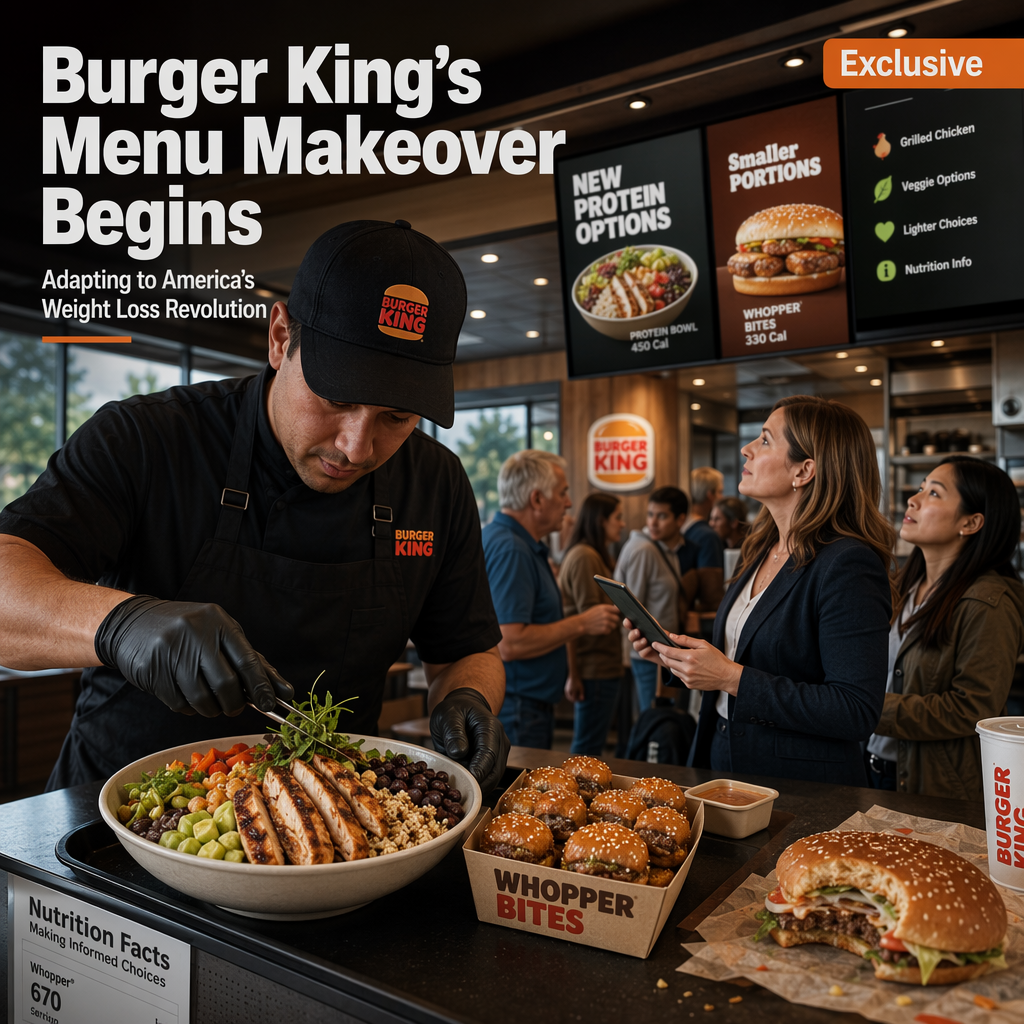
Burger King is proactively adapting its strategy in response to the rising use of GLP-1 weight loss medications, which are reshaping American eating habits and posing a potential long-term challenge for the fast-food industry [1]. According to Tom Curtis, president of Burger King U.S. and Canada, the chain is testing new menu items such as Whopper Bites and protein-forward bowls to accommodate the shifting preferences of GLP-1 users, who are increasingly seeking protein-rich meals and consuming fewer calories [1]. Curtis emphasized that while Burger King has not yet seen a direct impact on sales, particularly with strong Whopper sales, preparations are underway to ensure the brand remains relevant as consumer behavior evolves [1].
Recent data highlights the urgency of these changes. A July Gallup poll found that 11% of U.S. adults are currently on a GLP-1 medication, nearly four times the share from two years ago [1]. Additionally, a National Restaurant Association survey revealed that nearly half of GLP-1 users have reduced their dining out since starting the medication, and an April survey by William Blair showed that 72% of GLP-1 users are specifically cutting back on hamburgers [1].
Wall Street analysts anticipate significant ripple effects from the GLP-1 trend. JPMorgan estimated in February that the rise of GLP-1s could erase between $30 billion and $55 billion in annual revenue for the food and beverage industry by as early as 2030 [1]. The federal government is piloting a program to increase access to GLP-1s for Medicare enrollees, and manufacturers are facing pressure to reduce therapy costs, which could further accelerate adoption and impact industry sales [1].
Curtis stated that Burger King's approach is to offer variety and innovation in smaller packages, maintaining menu simplicity while being ready to respond to demand shifts. He cautioned against rushing niche menu items into restaurants before clear demand emerges, underscoring the importance of preparation and adaptability [1].
CONCLUSION
Burger King is taking measured steps to address the potential impact of GLP-1 weight loss drugs on consumer eating habits, focusing on menu innovation and readiness. While sales have not yet been affected, industry data and analyst forecasts suggest significant revenue risks ahead for the broader food and beverage sector. The company's strategy aims to balance innovation with simplicity, positioning Burger King to respond effectively as market dynamics evolve.