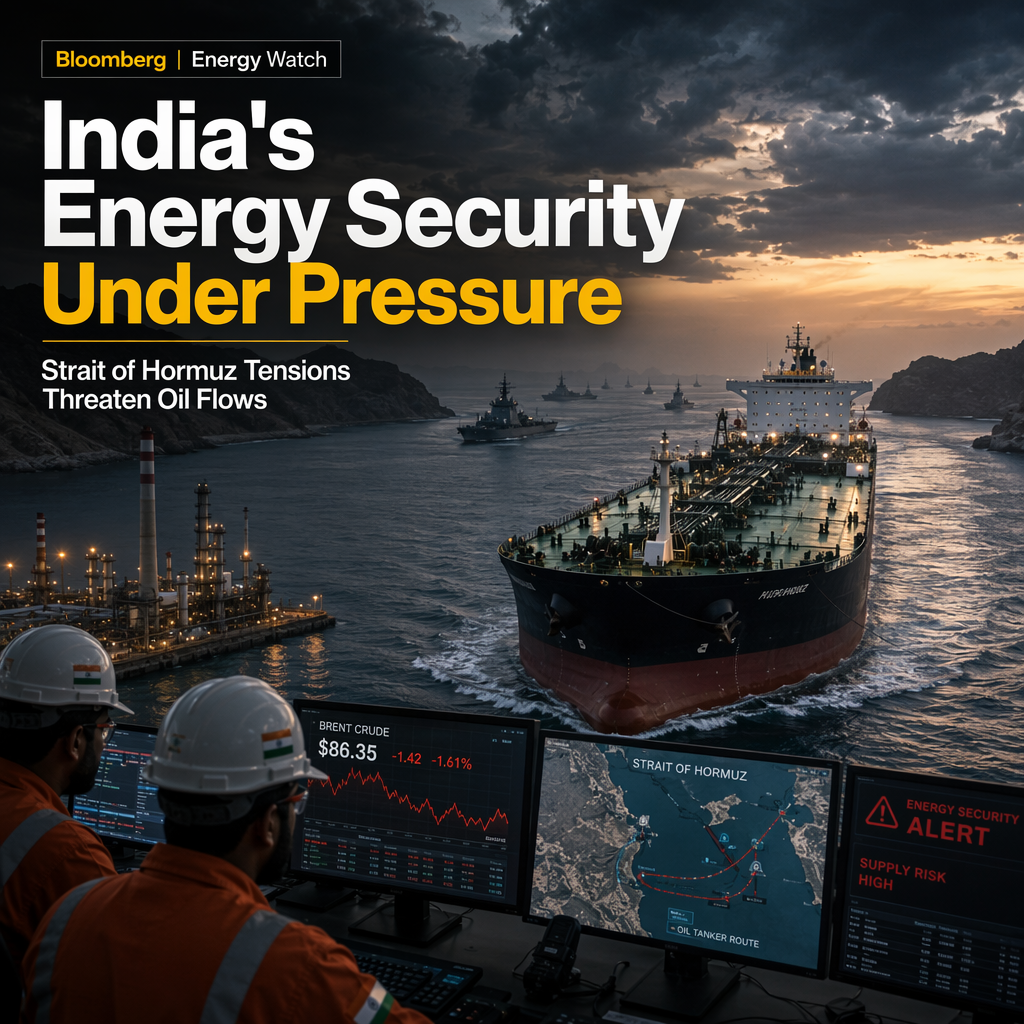
India's energy resilience is under significant pressure as escalating tensions with Iran threaten the stability of oil shipments through the Strait of Hormuz, a vital passage that handles about a fifth of global oil flows [1]. The recent rise in hostilities between Iran and Western navies in the region has increased the risk of disruption, leading to a surge in insurance premiums and shipping costs for tankers, which in turn is pushing up India's crude import bills [1].
In response to these challenges, India has accelerated efforts to diversify its crude supply sources, having already reduced its reliance on Iranian oil following U.S. sanctions and increased imports from other Middle Eastern countries, Russia, and Africa [1]. Indian refiners are adapting by ramping up spot purchases from alternative suppliers, increasing inventories, negotiating flexible delivery terms, and seeking price discounts to mitigate the impact of higher costs [1]. Despite these measures, there is a risk that Indian consumers could face higher fuel prices if the crisis continues and global oil prices rise above the $90-$100 per barrel range [1].
Market analysts are monitoring the situation closely, with the Reserve Bank of India indicating it will keep an eye on potential inflationary pressures, particularly if elevated energy prices persist [1]. The coming weeks are seen as critical for India's energy security, and further escalation in the Middle East could prompt the government to consider releasing strategic petroleum reserves or pursuing additional bilateral supply arrangements [1].
CONCLUSION
India's energy sector is facing heightened risks due to increased tensions in the Middle East, particularly around the Strait of Hormuz. While the government and refiners are taking steps to manage supply and cost challenges, the situation remains fluid and could have significant inflationary and economic impacts if disruptions persist.