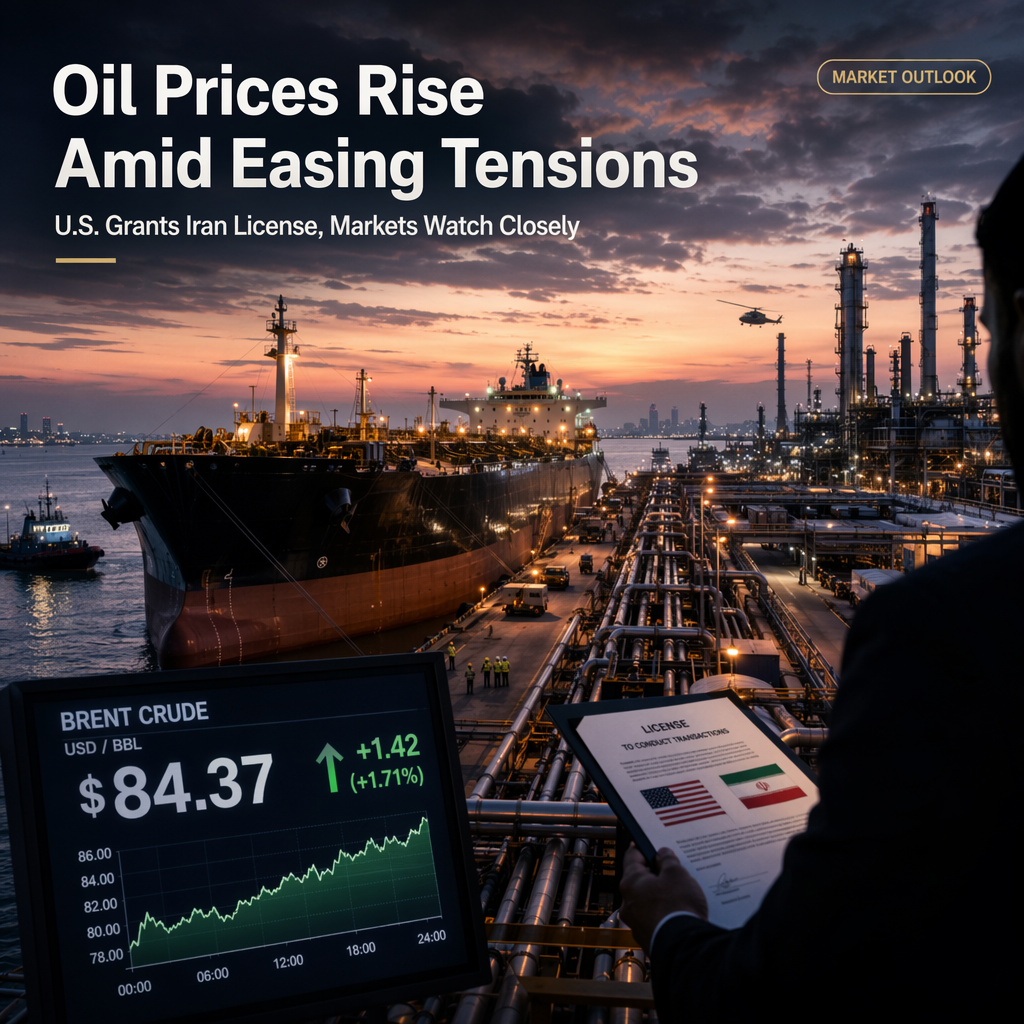
Oil prices rose slightly early Tuesday, with Brent crude futures for August increasing by 0.36% to $78.18 a barrel and U.S. West Texas Intermediate (WTI) futures for August up 0.45% to $74.19 per barrel [1]. The modest gains followed a decline overnight after the U.S. Treasury issued a 60-day license authorizing the production, delivery, and sale of oil from Iran, which allows Iranian crude to be imported into the U.S. and paid for in dollars. This license is set to expire on August 21 [1].
The market is closely watching the implications of this license, as there are concerns that Iran could use the profits from oil sales to rebuild its military. President Donald Trump commented that Iran is supposed to use the money to buy food for its people, specifically mentioning purchases of corn and soybeans from the U.S., but did not guarantee that military spending would not occur [1].
Diplomatic efforts are ongoing, with Vice President JD Vance noting "great progress" in talks held in Switzerland, despite Iran's weekend declaration that it had closed the Strait of Hormuz. However, U.S. Central Command stated that the Strait had not been closed [1]. These developments have contributed to cautious investor optimism about a potential end to the Middle East conflict, which is reflected in recent oil price movements.
Scott Chronert, managing director of US Equity Strategy at Citi Research, stated that the oil price trading pattern over the past weeks indicates growing market confidence that the conflict is nearing its end. He added that the "energy price overhang with its inflation connotation should be lessening in the weeks and months to come" [1].
CONCLUSION
Oil prices have shown slight gains amid optimism for a resolution to Middle East tensions and the issuance of a U.S. license for Iranian oil. Market sentiment appears cautiously positive, with expectations that energy price pressures may ease if the conflict subsides. The situation remains fluid, with ongoing diplomatic efforts and close monitoring of Iran's actions.