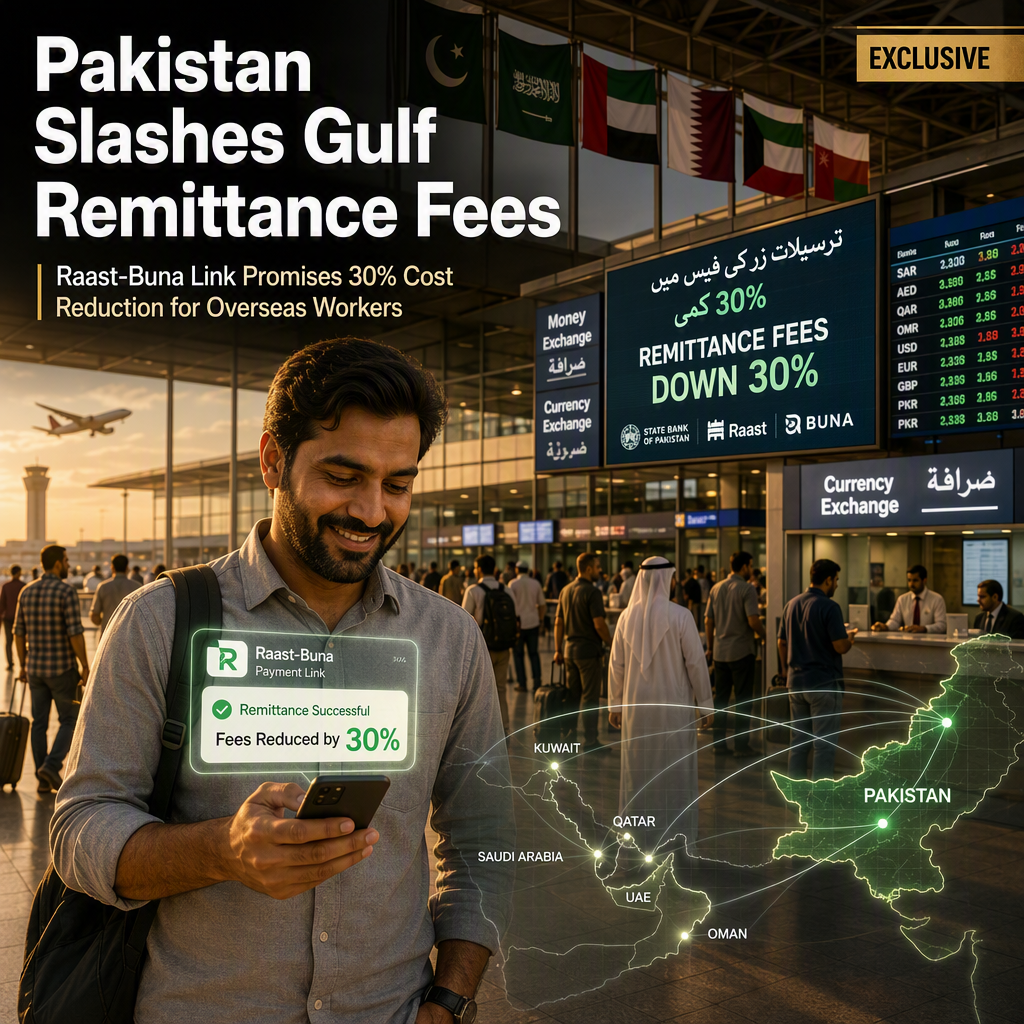
Pakistan is set to connect its domestic instant payment system, Raast, with the Arab Monetary Fund's Buna cross-border payment network by the end of the year, aiming to make remittances from the Persian Gulf region about 30% cheaper for millions of Pakistani workers abroad [1]. This integration could make Pakistan the first South Asian country to join the Buna network, which is expected to streamline remittance inflows, offering a faster, more efficient, and regulated channel for overseas workers to send money home [1].
The move is particularly significant for Pakistan, as remittances from Gulf countries such as Saudi Arabia and the United Arab Emirates are a key source of foreign exchange, playing a vital role in stabilizing the country's balance of payments and supporting its currency [1]. The anticipated 30% reduction in remittance costs is expected to have a substantial positive impact on the Pakistani economy [1].
Additionally, the State Bank of Pakistan expects the Raast-Buna linkage to enhance transparency and traceability in remittance transactions, making it more difficult for illegal hawala transfers to compete and potentially reducing the prevalence of unregulated money flows [1].
No further financial or technical details about the implementation timeline or expected transaction volumes were disclosed in the source article [1].
CONCLUSION
Pakistan's planned integration of Raast with the Buna network is poised to significantly lower remittance costs and improve transparency for millions of overseas workers. This initiative is expected to strengthen the country's foreign exchange position and reduce reliance on informal money transfer channels.