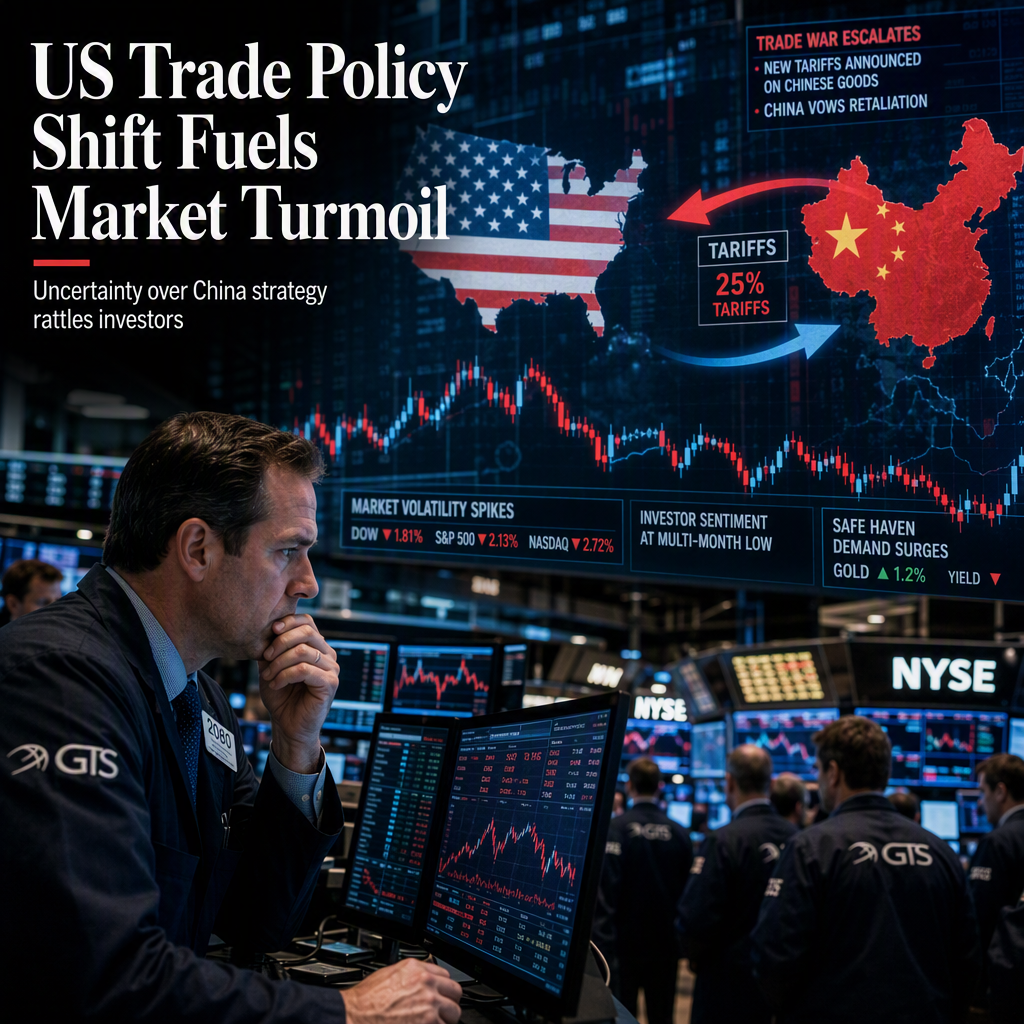
Oren Cass, a policy strategist closely associated with President Donald Trump's administration and a prominent figure in the U.S. 'New Right,' stated that the United States will not return to promoting free trade, signaling a major departure from previous economic policy. Cass emphasized that the Trump administration has prioritized protecting domestic industry and American workers, moving away from multilateral free trade agreements in favor of bilateral negotiations and targeted tariff measures against economic competitors [1].
Cass highlighted that, despite these policy shifts, the administration has not provided clear guidance on its approach to China. While tariffs and restrictions have been implemented, the long-term strategy for the U.S.-China economic relationship remains ambiguous. Cass warned that this lack of clarity could pose risks to future market stability, potentially constraining investment and growth [1].
Financial market observers have noted increased volatility in response to the evolving U.S. trade policies. The S&P 500 has experienced swings as investors react to uncertainty surrounding tariffs and supply chain disruptions. Sectors sensitive to international trade, such as manufacturing and technology, have seen their support and resistance levels tested more frequently in recent months [1].
As the U.S. trade deficit with Asia grew in July, led by Vietnam, market participants are closely monitoring potential developments in tariff policies and negotiations between President Trump and Chinese President Xi Jinping. Although talks have reportedly focused on 'nonsensitive' tariff cuts, no major breakthroughs have been announced [1]. Cass reiterated that the New Right’s vision includes more restrictive immigration policies and skepticism toward multilateral trade agreements, reflecting a broader realignment of U.S. economic priorities toward national resilience over global integration [1].
CONCLUSION
The Trump administration's shift away from free trade and the lack of a clear China strategy have heightened market volatility and uncertainty, particularly in trade-sensitive sectors. Investors and businesses are expected to remain cautious as they await further policy clarity and potential developments in U.S.-China negotiations.